
Autumn is here, in all of her splendor, and it is a sight to behold. The cooler weather creeps closer and closer as the length of daylight decreases, the leaves turning their decadent shades of orange, red, yellow, and brown before flooding the ground beneath the trees. The lushness of our summer gardens has faded, leaving us with the skeleton of our plants and the remnants of our waning harvest.
Of course, many of us may extend our growing season throughout the fall and winter by planting cold-weather hardy vegetables like kale, collards, parsnips, beetroot, etc, but for the most part, fall marks the end of a busy growing season. As much as we all love gardening, there isn’t anything wrong with taking time away from it. We can use the cooler weather to hibernate and daydream about the warmer days to eventually return.
As we walk through our fading garden, one of the first things we must focus on is the removal of any diseased or mildewed plants. The key thing to note here is that we are removing diseased plant material. Not dead plant material. Even though it may be unsightly to look at, it is highly recommended to leave any plant material that has simply died (even tomato plants and cucumber vines that have been struck down by the first killing frost). The plants will provide some additional protection during the cooler days for our insect friends, as well as an alternative food source during these cooler months for wild birds.
After removing any diseased plant material, you should now turn your attention to preparing the space for the next year. Take a moment to hoe the garden well to let some air circulate. Cover the garden with manure or compost. Gardening compost is a very useful addition to any garden. Not only does it add nutrients to the soil, but it also helps to improve the structure of the soil, allowing it to hold more water and air, which is important for plants. The nice part about composting in the fall is that you can use slightly hotter material (for example, you may clean out your chicken coop, shoveling up everything – fresh droppings and all – in their run and covering your garden with it) without the fear of killing your plants.
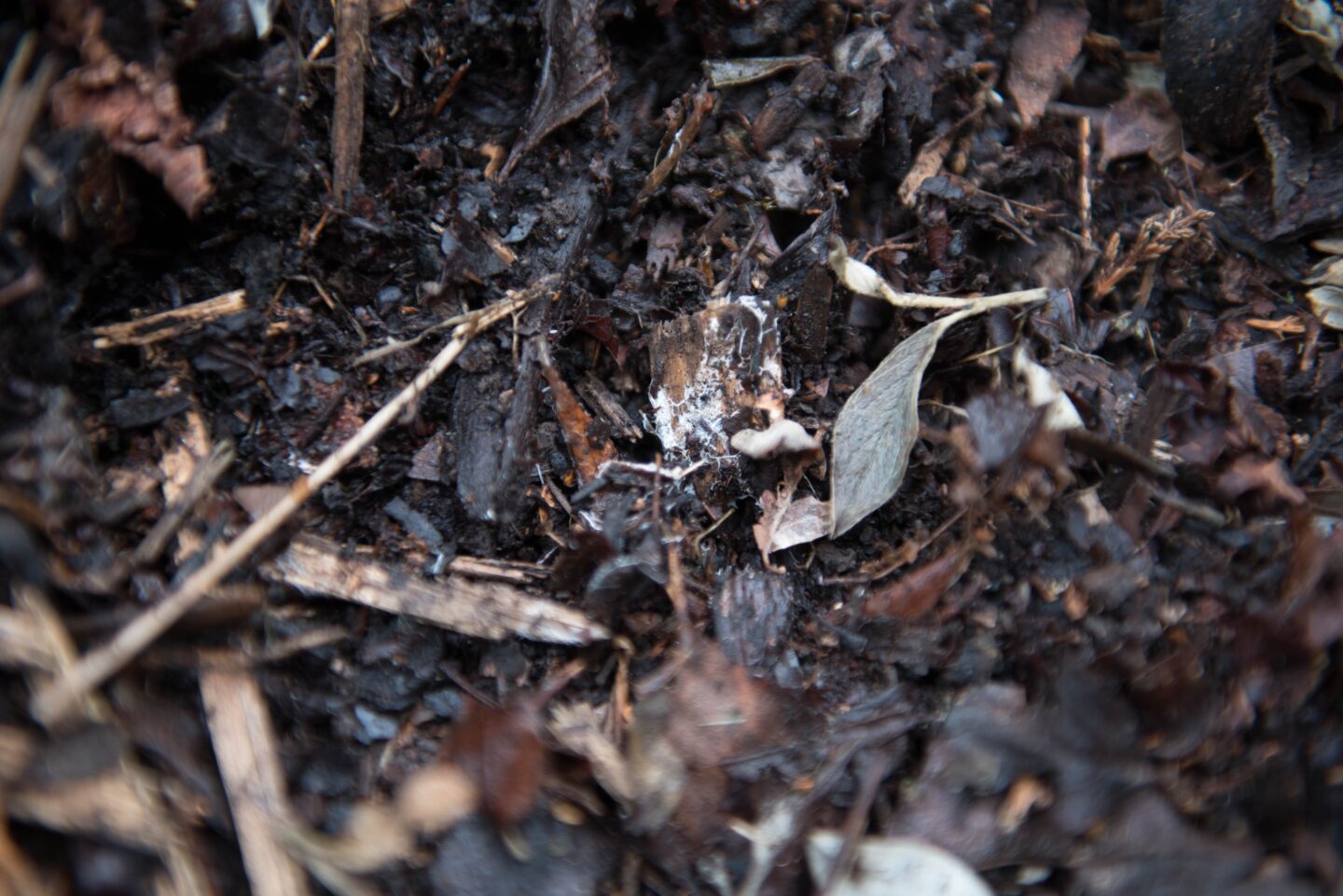
Once the compost has been added, consider covering the garden with a layer of straw. This helps to cut down on weeds in the garden, adds an extra bit of organic matter, and helps everything break down better.
Many people may choose to skip preparing their growing space for the next year in this manner. Instead, they may plant a cover crop, such as clover or legumes, to help fertilize and nourish the soil. Cover crops can also help to control pests, reduce erosion, and improve soil structure. Through trial and error, you will eventually find what works best for your situation by experimenting with different options.
Once you’ve taken care of everything in your garden, you can move on to your tools. If you reuse pots, take a moment to carefully sanitize your pots (even your seed trays) in order to ensure that any disease from the present year is not carried over into the next year. Clean, oil, and sharpen your gardening tools as needed before storing them out of the weather. Inspect your water hoses and sprinklers for damage and repair or replace them if necessary. Store the water hoses in a cool, dry area. Finally, clean and store your gardening gloves.

We will be returning full circle to destroy the infected plant material that we originally removed as the final step in putting our garden to rest. Diseased plant material should not be added to the compost pile. Instead, one of the most effective methods of destroying it is to simply burn it. Get together with your friends and have a bonfire. Think of this as a wonderful way to thank your garden for all of its hard work over the season. By doing this, you are bringing an end to your growing season as a whole.
As our gardens thrive during the growing season, they provide us with a bounty of herbs, flowers, fruits, and vegetables. If you take the time to put your garden to rest over the cooler months of the year, you will be able to better understand the cyclical nature of our world and live with a sense of seasonality in your life. For example, by allowing your garden to enter into dormancy over the fall, you can observe the beauty of a frost-covered garden and appreciate the necessary downtime before the next harvest. As you look out at your garden over the fall, you can start to plan and dream for next year’s bounty.