
Duke University recently announced the closure of its herbarium, a closure that has sent shockwaves through the plant/nature community.
The decision is particularly shocking as the collection of over 825,000 specimens of vascular plants, bryophytes, algae, lichens, and basidiomycete fungi is especially rich in specimens from the southeastern United States. It is one of the largest in the country and has been in operation for over 100 years.
So why is it closing?
The university is stating budget concerns, lack of space, and issues with staffing, but to be honest? It’s Duke. As of June 30, 2023, the university’s endowment was comprised of more than approximately $11.6 billion in funds. If they wanted to make it happen, they could. They even had donors willing to step up to help offset some of the costs needed to continue this collection. But biodiversity, and the herbarium, isn’t of interest to the “powers-that-be” it seems, which ultimately seems to be the reason why this centuries old program is being shuttered.
Its loss could set off the domino effect of the closure of many other herbaria globally.
What is especially scary is that this wonderful collection will be dismantled over the next 2-3 years, where bits and pieces will hopefully find a home at other intuitions.
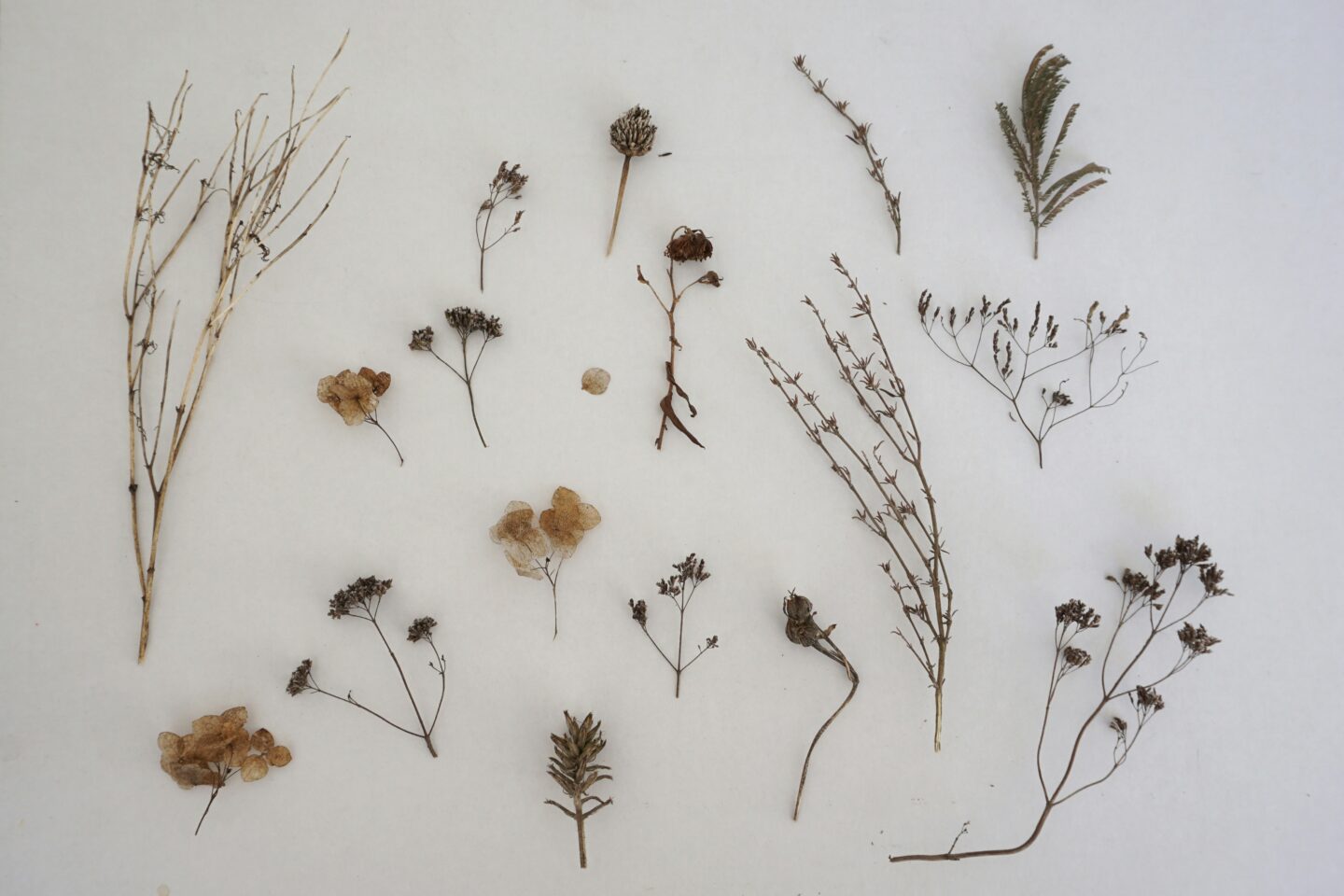
But what is a herbarium (or herbaria – plural)?
It is a collection of preserved plant specimens and associated data that is used for scientific study. According to Duke University itself, it is a critical resource for biodiversity, ecological, and evolutionary research studies. To quote them even further, “It is an a unique and irreplaceable resource with substantial value to local, national, and international scientific communities.”
The making of a herbarium seems to have first popped up in recorded history only about 6 centuries ago, though it stands to reason that it has existed in some form or another for many years prior.
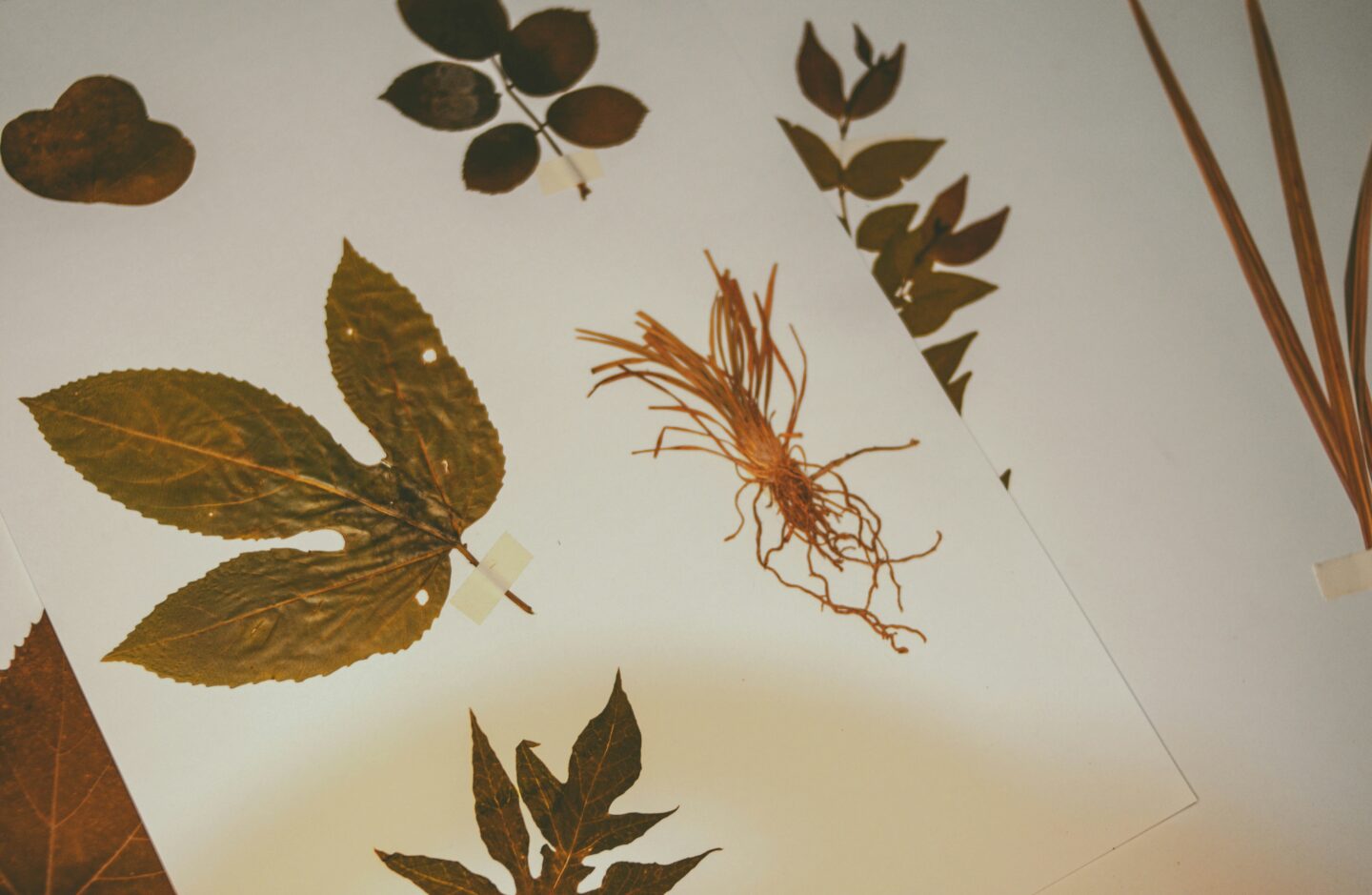
Physician and botanist, Luca Ghini (1490–1556) reintroduced the study of actual plants as opposed to relying on classical texts, which he felt lacked the accuracy needed for identification.
According to Barbara M. Thiers in her book Herbarium: The Quest to Preserve and Classify the World’s Plants, he and his students placed freshly gathered plants between two sheets of paper and applied pressure to flatten them and absorb moisture. The dried specimens were then glued onto a page in a book and annotated.
Pretty cool, right?
It’s pretty easy to see the importance of preserving such a collection for generations to come. There is a petition circling in hopes that Duke will be convinced to reverse their decision (which is at 9,419 signatures at the time of this post).
I’m interested to see the outcome.