
Did you know there is a museum not too far from us where you can touch a piece of ore that is more than one billion years old?
Our visit to the Museum of North Carolina Minerals was not exactly part of the original plan. We had set out for our second attempt to visit Mt. Mitchell, but apparently, Mt. Mitchell is determined to remain just out of reach for us—for now.
The first time we tried to make the trip, our van broke down while climbing the steep drive. This time, we made it much farther, but the Blue Ridge Parkway was still closed on our side because of damage from Hurricane Helene. After another unsuccessful attempt to reach the highest peak east of the Mississippi, we decided to change course.
Fortunately, some of the best adventures happen when you stop trying to follow the original itinerary.
Instead of continuing toward Mt. Mitchell, we spent a lovely afternoon exploring downtown Burnsville. We wandered around town, enjoyed the mountain atmosphere, and took our time exploring somewhere that had not originally been part of the plan. Then, while traveling along the Blue Ridge Parkway near Spruce Pine, we came across the Museum of North Carolina Minerals.
Located at Milepost 331 near the junction of NC Highway 226, the museum highlights the region’s rich mineral resources and mining heritage. It is also a stop along the Overmountain Victory National Historic Trail and features more than 300 varieties of minerals and gems.
Best of all, admission is free.
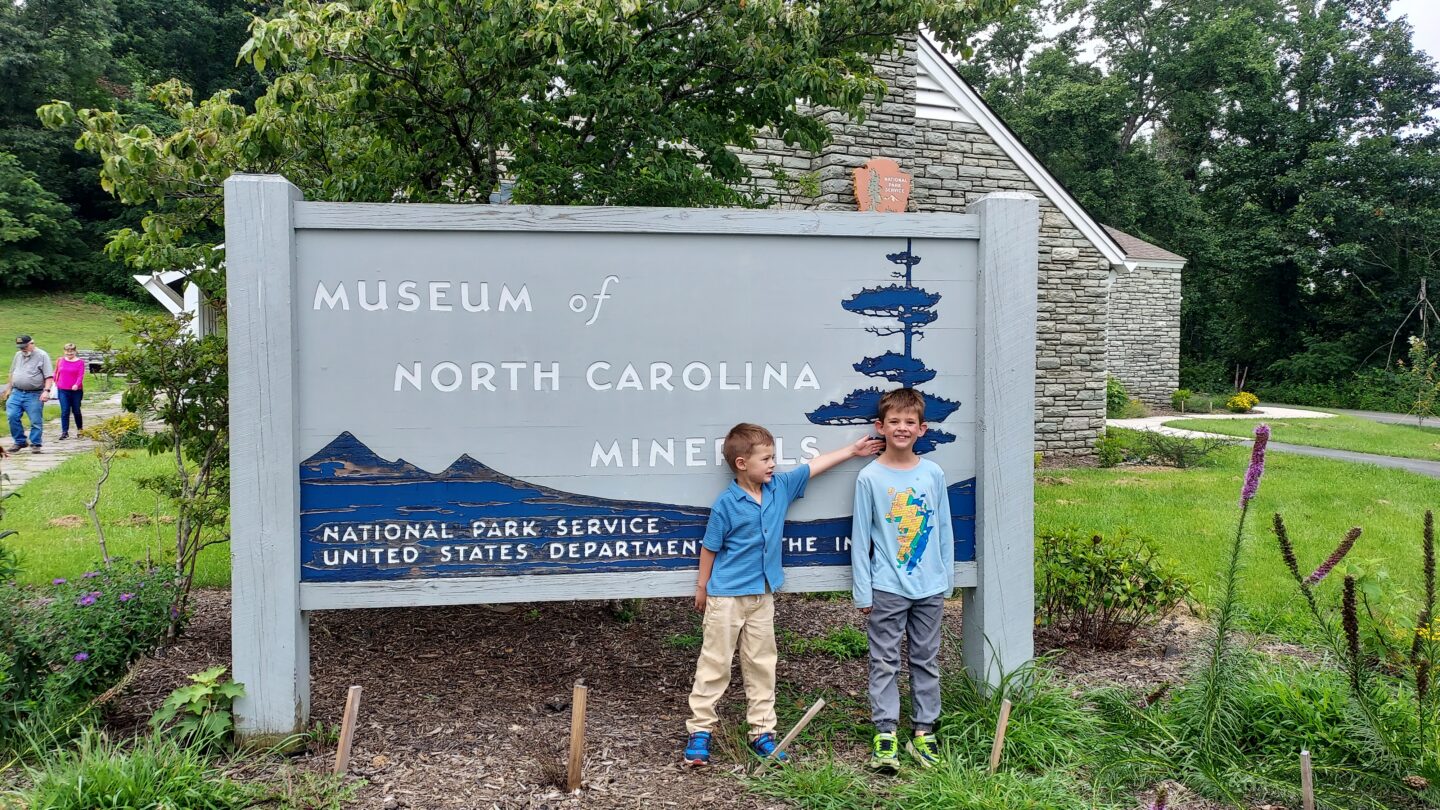
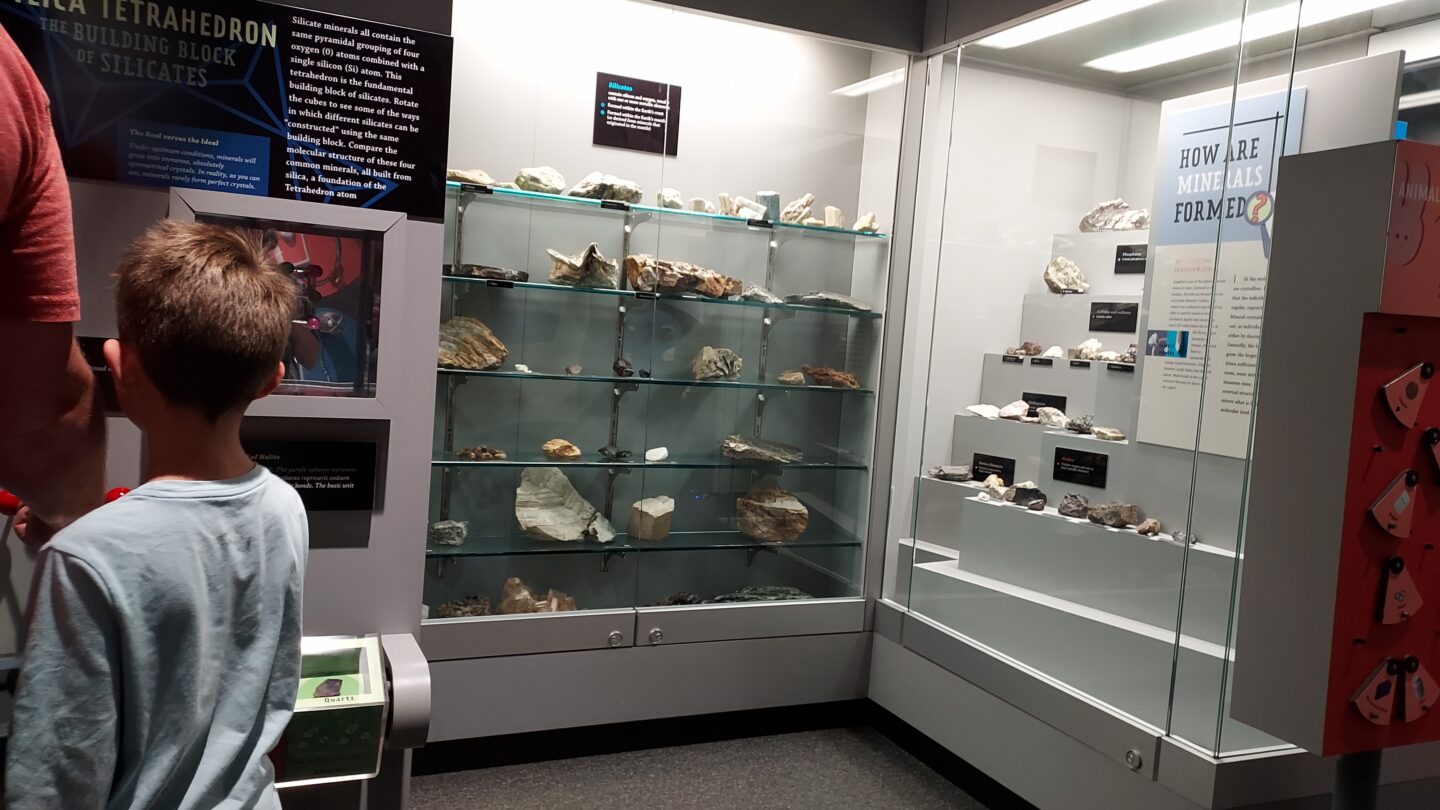
The museum includes a variety of hands-on and interactive exhibits, making it a fun stop for families and anyone interested in the history and geology of Western North Carolina. The exhibits tell the story of the area’s mining industry and explain why this region has long been known for its valuable mineral resources.
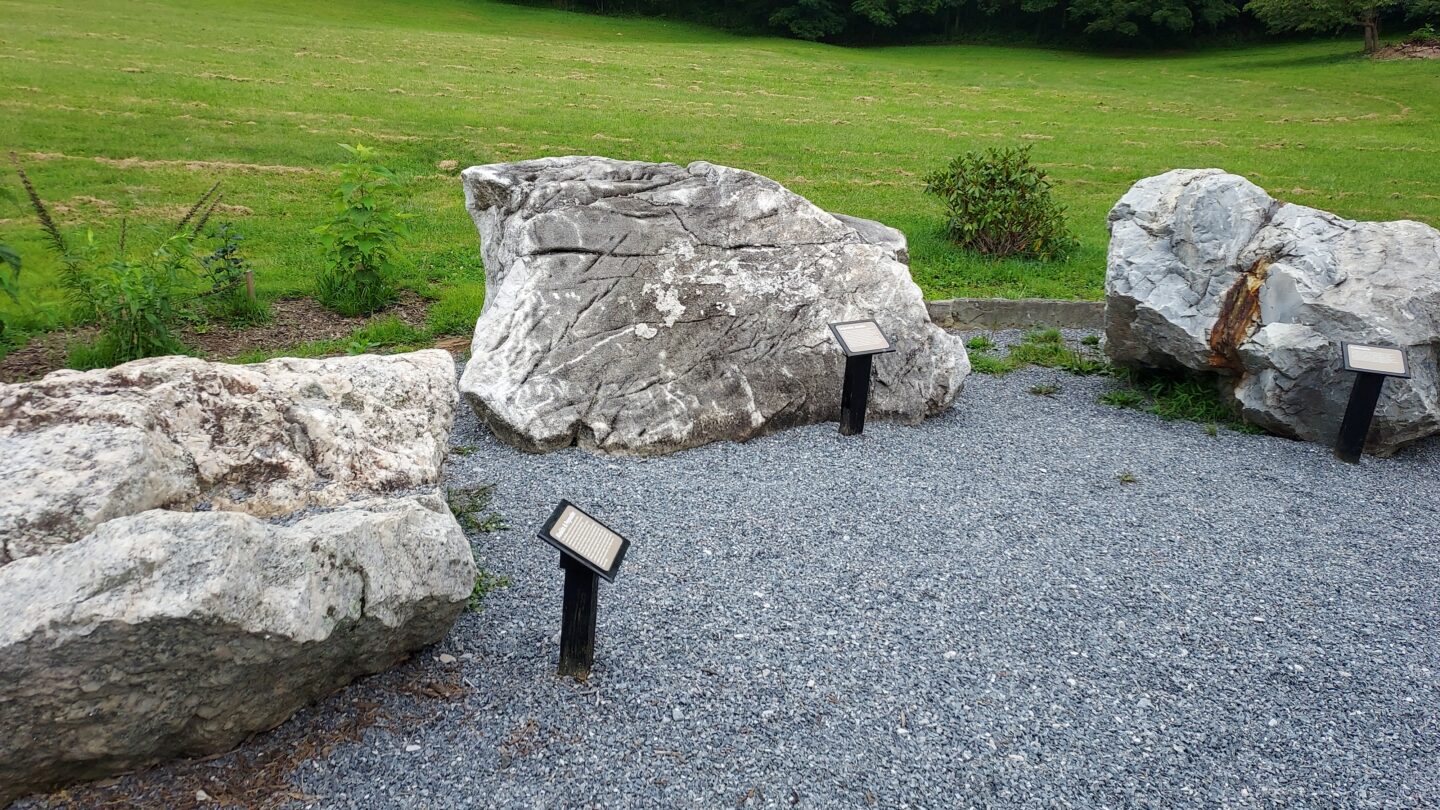
Our favorite part of the visit was actually outside.
The museum’s rock garden contains several fascinating rock specimens from the surrounding area, including a piece of magnetic iron ore that is more than one billion years old. The ore was extracted about 25 miles from its current location, and visitors are encouraged to get close enough to touch it.
Of course, once my oldest son discovered the rock garden, he made sure I took a picture of him with nearly every rock.
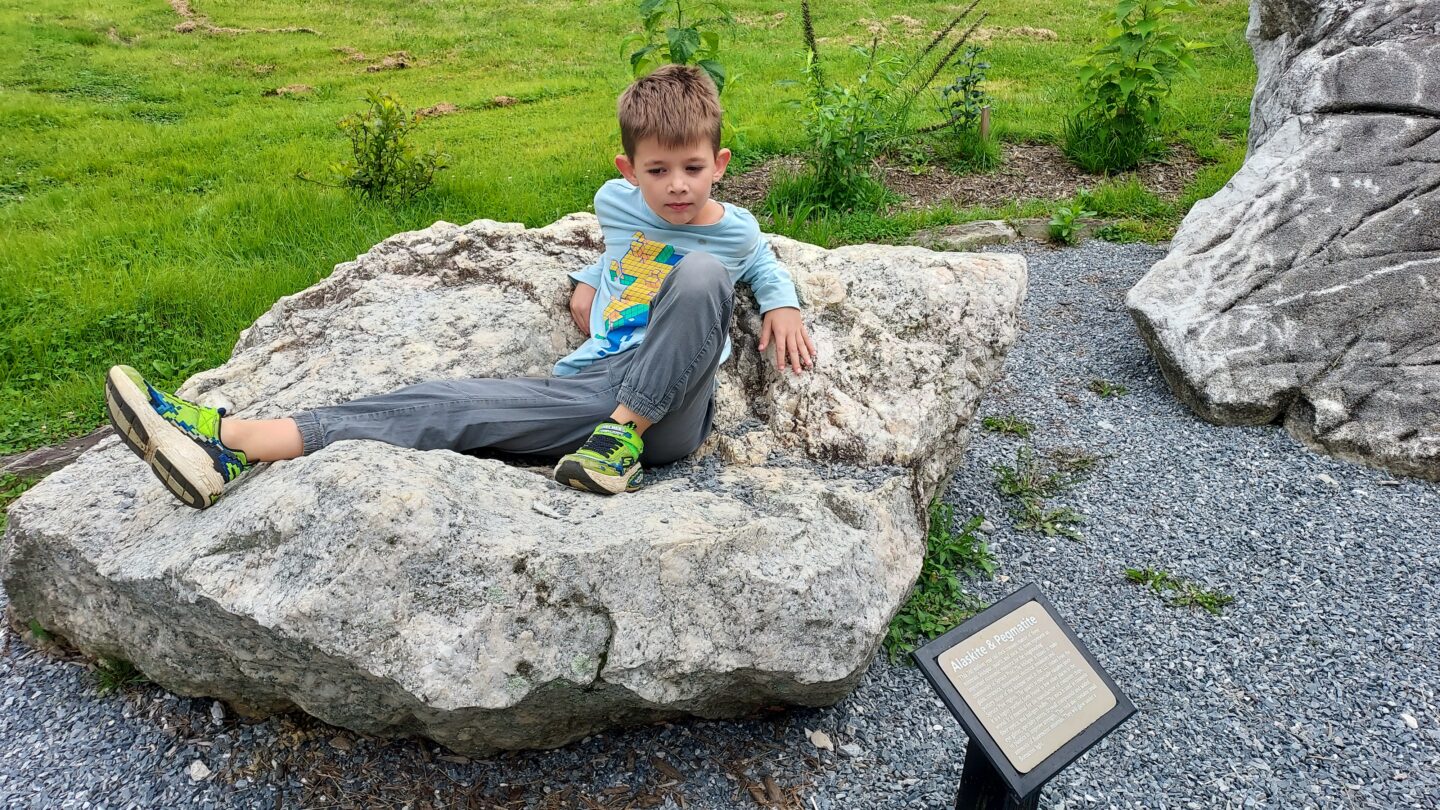
I’m not sure whether he was more excited about the billion-year-old ore, the enormous rocks, or the fact that he could actually touch them. Either way, he took his job of documenting the experience very seriously. He would also like everyone to know that the museum has some of the cleanest restrooms he has seen in a while—which, according to him, is important information worth sharing.
Inside the museum, there is also a small gift shop where visitors can find National Park Service cancellation stamps. Cancellation stamps are a free way to document visits to national parks, historic sites, and other participating locations. I collect mine in a small passport book, and each stamp includes the location and date of the visit.
They are simple little souvenirs, but I love looking back through my book and remembering the places we have explored along the way.
While we still have not made it to Mt. Mitchell, our second attempt was far from a disappointment. Between exploring downtown Burnsville and discovering a museum filled with fascinating pieces of North Carolina’s geological history, the unexpected stops became the highlight of the day.
Maybe we will reach Mt. Mitchell on our third attempt.
But if we don’t, I have a feeling we will find another memorable detour along the way.
Museum of North Carolina Minerals
Milepost 331
Blue Ridge Parkway
Spruce Pine, NC 28777